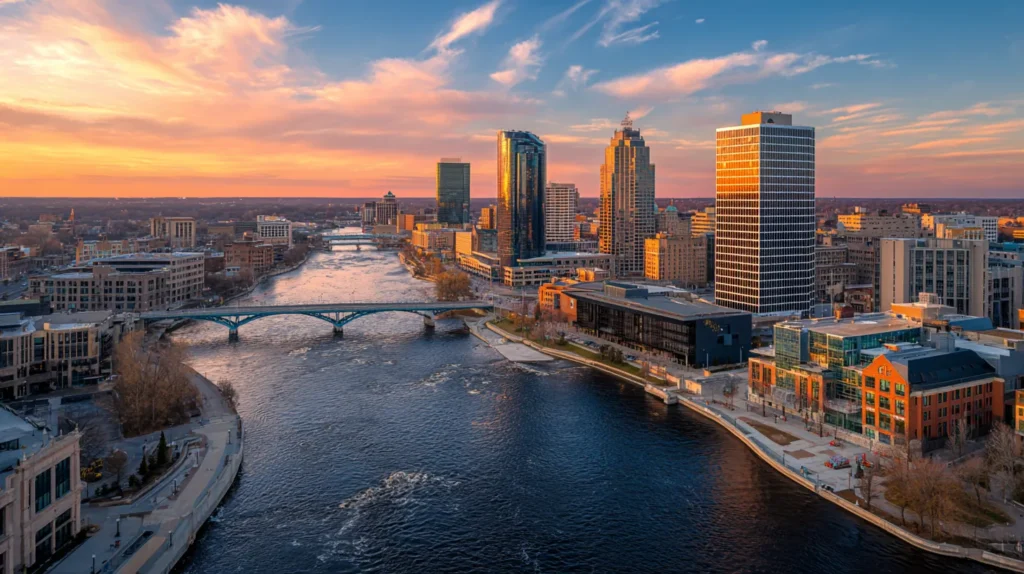
Grand Rapids Emergency Plumber: Local Authority Guide for 24/7 Plumbing Emergencies
What a Grand Rapids Emergency Plumber Does
A Grand Rapids emergency plumber provides 24/7 plumbing repair when a failure threatens safety, sanitation, or property. Emergency plumbers stop water damage, restore working plumbing systems, and stabilize urgent situations in homes and businesses across the Grand Rapids metro.
Why Emergency Plumbing Matters in Grand Rapids, Michigan
Emergency plumbing matters in Grand Rapids because burst pipes, flooded basements, sewer backups, and water heater failures can escalate quickly. Michigan winters increase frozen-pipe risk, storms increase sump pump demand, and older plumbing systems increase the likelihood of sudden leaks and drainage failures.
Problem and Symptom Signals That Trigger an Emergency Plumbing Call
Common emergency symptoms include a burst pipe in the house, water leaking fast, drains backing up, toilets overflowing, and sudden loss of hot water. These symptoms often signal a major leak, blocked drain system, failing water heater, or sewer line problem that requires immediate professional repair.
Emergency Failure Scenarios Grand Rapids Plumbers Respond To
Frequent emergency scenarios include flooded basement plumbing, sewer backing up into the home, a pipe bursting overnight, a sump pump failing during a storm, and a water heater stopping without warning. These failures increase property damage risk and can create health hazards when wastewater is involved.
Emergency Plumbing Services Commonly Needed in Grand Rapids
Emergency plumbing services in Grand Rapids commonly include burst and frozen pipe repair, emergency drain cleaning, sewer backup response, water heater repair or replacement, leak detection and repair, sump pump repair or installation, and urgent toilet repair. Some emergencies also involve gas line repair when safety is at risk.
Burst and Frozen Pipes: Why Speed Matters
Burst pipes and frozen pipes can flood basements, walls, and ceilings within minutes. Emergency plumbers isolate the water supply, identify the failure point, and repair damaged piping materials such as copper, PEX, PVC, galvanized pipe, or cast iron connections depending on the property.
Sewer Backups and Drain Failures: Sanitation and Health Risk
Sewer backups and drain failures can push wastewater into basements, bathrooms, and floor drains. Emergency plumbers use professional drain equipment such as drain augers, hydro jetting tools, and camera inspection systems to locate blockages, restore drainage, and reduce contamination risk.
No Hot Water: Water Heater Failure in Homes and Businesses
Sudden loss of hot water often indicates water heater failure. Emergency plumbing service may involve repair or replacement of gas water heaters, electric water heaters, tank units, tankless systems, or commercial water heaters depending on demand and capacity needs.
Flooded Basement Plumbing and Sump Pump Emergencies
Flooded basement plumbing emergencies often involve stormwater, drainage failure, or sump pump breakdown. Emergency plumbers diagnose sump pump failure, restore pumping capacity, and recommend options such as primary sump pumps, battery backup sump pumps, pedestal pumps, submersible pumps, or combination systems for Michigan conditions.
Leak Detection and Emergency Leak Repair
Emergency leak detection focuses on finding hidden or fast-moving leaks in walls, ceilings, utility rooms, basements, kitchens, and bathrooms. Plumbers use leak detection equipment to locate the source quickly, then repair the affected piping or fittings to stop ongoing water damage.
Toilet Overflows and Bathroom Shutdowns
Toilet overflows disrupt daily living and create immediate hygiene issues. Emergency plumbers address clogs, malfunctions, and failed internal components, restoring safe operation for homes, apartments, and commercial restrooms.
Residential Emergency Plumbing in Grand Rapids
Residential emergency plumbing commonly involves basement flooding, frozen pipes, overflowing toilets, leaking pipes, and hot water outages. Grand Rapids homes often rely on sump pump systems and functional drainage to prevent damage during storms and seasonal snowmelt.
Commercial Emergency Plumbing in Grand Rapids
Commercial emergency plumbing often involves restaurant plumbing emergencies, commercial sewer backups, office building drainage failures, and plumbing breakdowns that interrupt operations. Emergency service reduces downtime and protects customers, staff, and inventory from damage and sanitation issues.
Urgency and Time Expectations for Emergency Plumbing
Emergency plumbing is time-sensitive. Many calls occur at night, on weekends, and on holidays. A true emergency plumber offers 24/7 availability, immediate dispatch, and clear communication so customers can protect their property while help is en route.
Local Service Area Coverage for a Grand Rapids Emergency Plumber
Emergency plumbing coverage commonly includes Grand Rapids and nearby metro areas such as Kentwood and Wyoming. Customers also search for emergency plumbers serving the broader Grand Rapids metro when urgent issues occur in surrounding communities.
Trust and Qualification Signals Customers Look For
Customers often choose a licensed, insured, reliable, local emergency plumber. Trust increases when the company provides clear emergency pricing expectations, professional dispatch, and proven experience handling burst pipes, sewer backups, water heater failures, and flooded basement situations.
Common Questions About Emergency Plumbing in Grand Rapids
Many customers ask what counts as a plumbing emergency, how to shut off water in an emergency, what to do when a pipe bursts, and whether emergency plumbing costs more after hours. Emergency plumbing checklists and prevention guidance reduce risk and improve response outcomes.
When to Call a Grand Rapids Emergency Plumber
Call an emergency plumber immediately for active flooding, burst pipes, sewage backup, a failed sump pump during storms, dangerous leaks, gas line concerns, or sudden loss of hot water in critical situations. Early response reduces damage, cost, and disruption.
Burst pipes, sewer backups, flooding, and sudden water heater failures create immediate risk.