Emergency Drain Cleaning in Grand Rapids: The Complete Guide
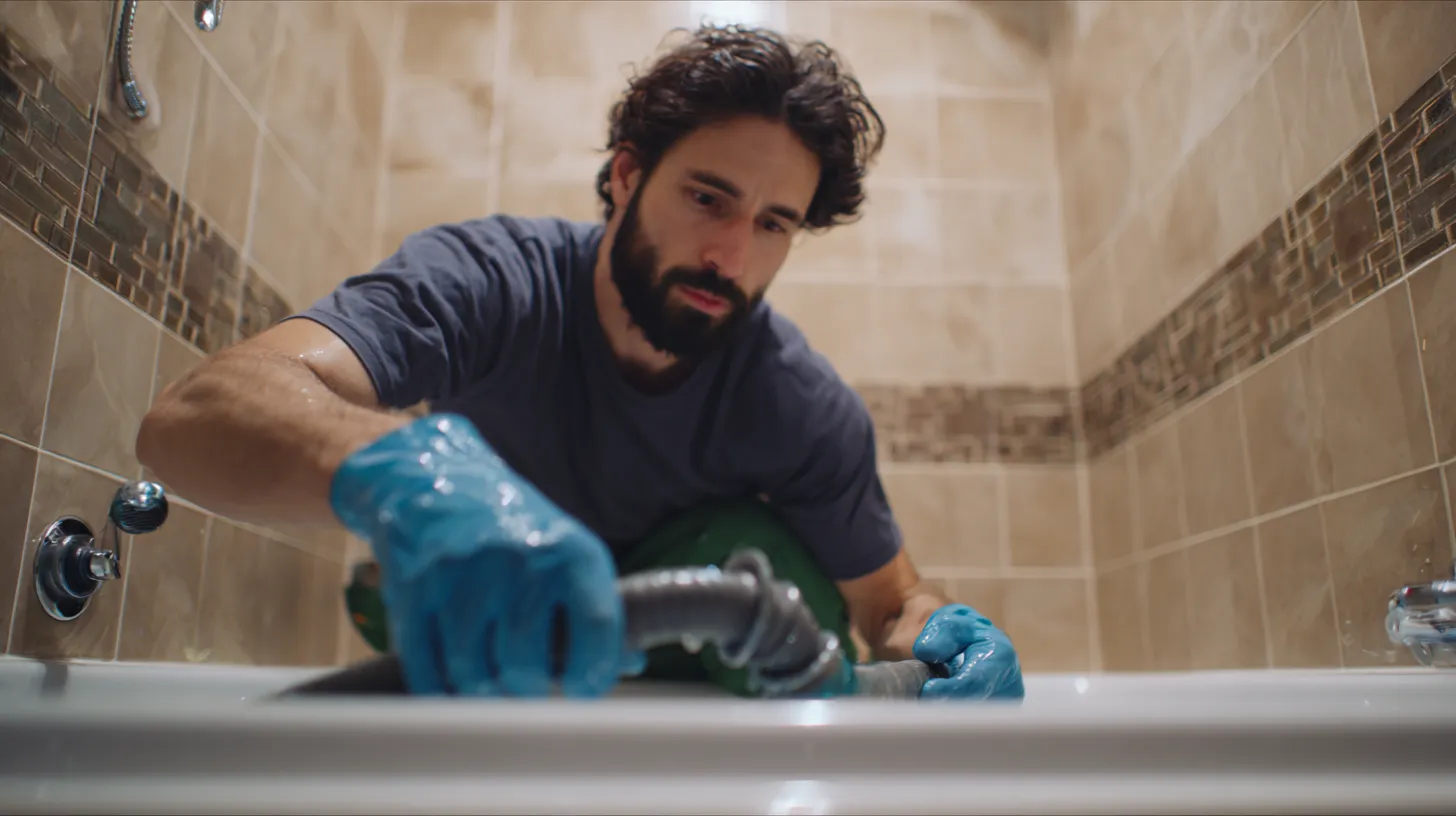
Emergency drain cleaning is the urgent clearing of a blocked fixture drain or branch drain line that stops a sink, tub, shower, washer or floor drain from carrying wastewater away. In Grand Rapids, Michigan, the work centers on five entities: the clogged drain itself, the P-trap that holds a water seal under each fixture, the branch drain line that links fixtures to the drain stack, the drain auger that cuts through a blockage and the hydro-jetter that scours buildup from the pipe wall. A drain plumber opens the line, then finds what built the clog. Emergency drain cleaning in the Grand Rapids area follows the 2021 Michigan Plumbing Code, the city's grease rules, hard Lake Michigan water and a housing stock with a median build year of 1953.
Fixture Drains in Grand Rapids Buildings
Fixture drains decide where a clog forms, what it is made of and how fast it turns into an overflow. Five fixture drains cover nearly every emergency drain service call in Grand Rapids homes and businesses: the kitchen sink drain, the bathroom sink drain, the tub and shower drain, the laundry standpipe and the basement floor drain.
The 2021 Michigan Plumbing Code sets a minimum trap size for each fixture in Table 709.1, and the smallest traps clog first:
| Fixture | Minimum trap size (MPC 2021, Table 709.1) | Typical clog material |
|---|---|---|
| Bathroom sink (lavatory) | 1¼ inches | Hair, toothpaste, soap scum |
| Kitchen sink (domestic) | 1½ inches | Grease, food waste, coffee grounds |
| Bathtub | 1½ inches | Hair bound with soap scum |
| Shower (flow up to 5.7 gpm) | 1½ inches | Hair bound with soap scum |
| Clothes washer standpipe | 2 inches | Lint, detergent residue, small items |
| Floor drain | 2 inches | Sediment, lint, debris; dry trap odor |
Shower traps grow with flow: the same table requires 2 inches above 5.7 gallons per minute and 3 inches above 12.3 gallons per minute, so multi-head showers drain through larger traps.
Urgency follows the fixture and the building. A single slow bathroom sink waits for regular hours, consistent with the Emergency guide's rule that a single slow drain usually waits. A kitchen sink that holds standing water during a holiday meal, the only tub in a house, a washer pushing water across a basement floor and a restaurant prep sink during service all call for same-night clearing. Water rising at the lowest floor drain while other fixtures run points past the branch lines to the main sewer, which sewer line backup repair covers.
Causes of Drain Clogs
Drain clogs form when material enters a fixture drain faster than water carries it to the stack. Five causes account for most Grand Rapids fixture and branch line clogs: fats, oils and grease; hair and soap scum; food waste; wipes and hygiene products; and scale and corrosion inside old pipe.
Grease leads in kitchens. Fats, oils and grease leave the sink as liquid, cool in the trap and branch line and harden on the pipe wall. The City of Grand Rapids states that grease collects in pipes and causes sewer backups, basement flooding and sewage spills to the environment. Food waste, rice, pasta and coffee grounds then catch on that coating and close the line.
Hair and soap scum lead in bathrooms. Hair wraps around the tub stopper linkage and the trap, and soap residue binds it into a mat. Grand Rapids water adds to the problem: the U.S. Geological Survey (USGS) explains that soap reacts with the calcium in hard water to form soap scum, and Grand Rapids tap water tests hard.
Wipes and hygiene products clog toilet and floor drain branches. The City of Grand Rapids warns that wipes do not break down, that a "flushable" label does not guarantee they degrade like toilet paper, and that diapers, paper towels, feminine hygiene products, facial tissues and dental floss belong in the trash.
Scale and corrosion narrow old pipe from the inside. Cast iron and galvanized steel drains in older homes rust and roughen, so each layer of grease or hair grips faster than it does in smooth PVC.
Drain Clearing Methods
Drain clearing methods open a blocked line and, in the stronger methods, remove the buildup that caused it. Five tools do the work: the plunger, the hand drum auger, the power auger with a cutting head, the hydro-jetter and the drain camera.
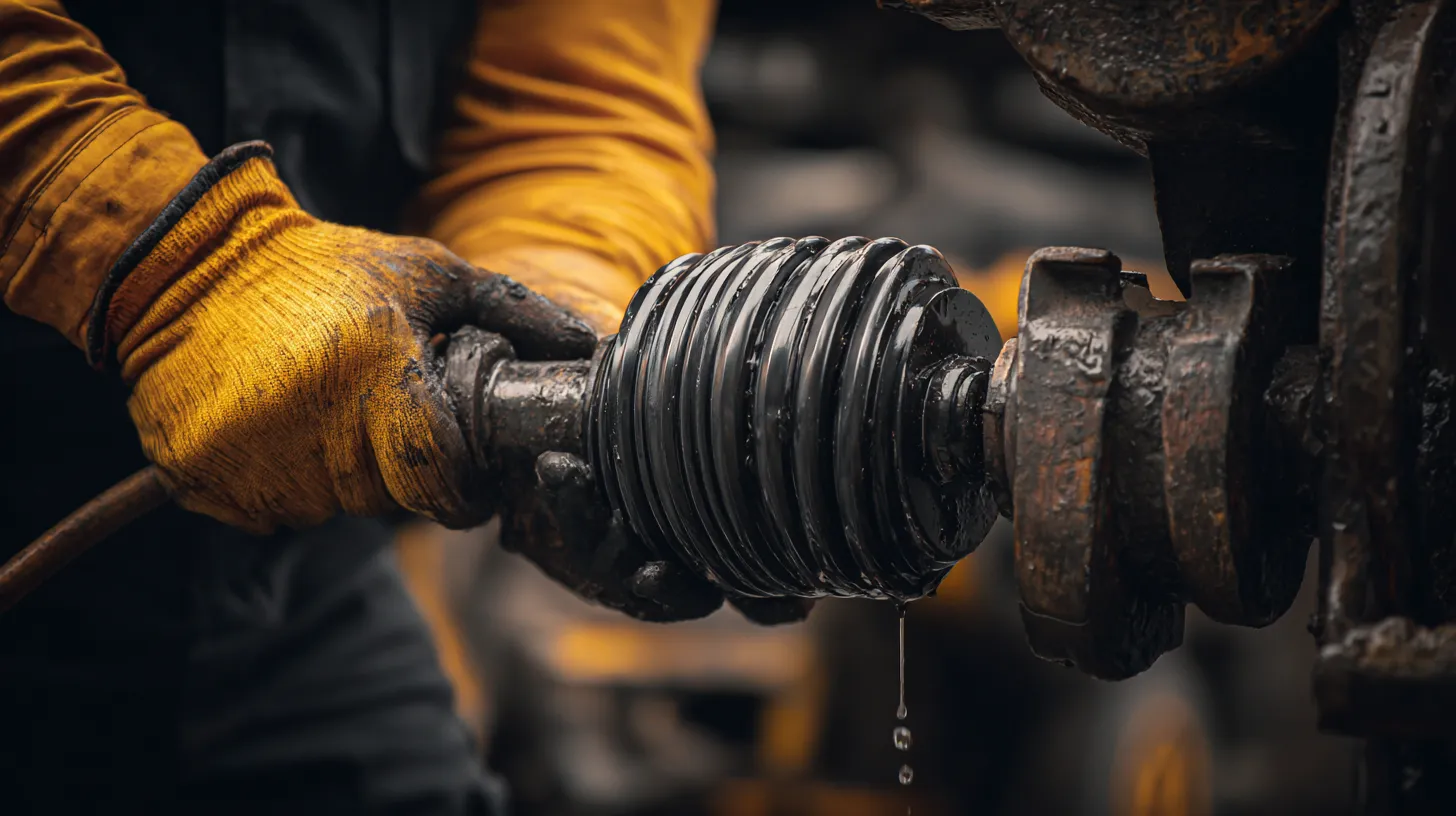
- Plungers push water against a clog inside the fixture trap; cup plungers suit sinks and tubs, flange plungers suit toilets.
- Hand drum augers feed a short cable through the trap or overflow and pull out hair mats and soft clogs.
- Power augers spin a sectional cable with a spade or spring cutter through grease, food and debris deeper in a branch line, through a cleanout where one exists.
- Hydro-jetters spray water from a rear-facing nozzle that pulls the hose forward and scours grease and scale from the full circumference of sound pipe. Corroded or thin-walled pipe gets the auger instead, the same rule the Sewer guide applies to fragile laterals.
- Drain cameras record the inside of the line and show whether a repeat clog sits on corrosion, a sag or a broken fitting.
A 2026 Michigan plumbing cost guide (askdoss, updated August 10, 2026) lists these ranges:
| Method | Typical Michigan cost | Typical time |
|---|---|---|
| Do-it-yourself plunger or enzyme cleaner | $5–$30 | — |
| Clogged drain snaked or augered by a plumber | $150–$350 (average $225) | About 1 hour |
| Hydro-jet line cleaning | $350–$800 (average $500) | 2–3 hours |
| Camera inspection | $200–$400 | — |
The hour of the call moves the price. The same guide lists these service call ranges, with the Grand Rapids hourly rate at $90–$130:
| Time of call | Typical service call |
|---|---|
| Regular hours (Grand Rapids) | $65–$100 |
| Evenings, 5–10 pm | $125–$200 |
| Weekends | $125–$200 |
| Nights and holidays | $200–$400 |
| Winter emergencies (Dec–Feb) | $300–$600 |
Drain System Components
Drain system components carry wastewater from each fixture to the building drain, and each one marks a place where a clog starts or where a plumber gains access. The five components are the fixture trap, the trap arm and vent, the branch drain, the cleanout and the drain stack.
The fixture trap holds the water seal that blocks sewer gas. The 2021 Michigan Plumbing Code requires every plumbing fixture to be separately trapped and bars a trap larger than the drain it discharges into. The trap arm runs from the trap to a vented fitting; the vent admits air so draining water does not siphon the trap dry. The branch drain collects several fixtures, such as a kitchen sink and dishwasher, and carries them to the drain stack, the vertical pipe that drops to the building drain.
Cleanouts give the plumber access without pulling fixtures. The code places a cleanout at the base of each waste or soil stack, at each change of direction greater than 45 degrees, at intervals of no more than 100 feet on horizontal drains and at the junction of the building drain and building sewer, within 10 feet of developed length.
Pipe material follows the age of the building. The U.S. Census Bureau's American Community Survey (2020–2024) puts the median Grand Rapids home at 1953, with 37.5% built before 1940 and 28.8% of East Grand Rapids homes before 1940; those homes carry cast iron stacks and galvanized branches. Wyoming's median home dates to 1969, Kentwood's to 1983 and Walker's to 1984, where PVC and ABS drains dominate.
Codes, Rules and Local Authorities
Codes, rules and local authorities set how drains are built, what enters them and who carries the cost of a clog. Five sources govern Grand Rapids drain work: the 2021 Michigan Plumbing Code, City of Grand Rapids Environmental Services, the Grand Rapids Water Resource Recovery Facility, the grease interceptor requirement and the trap seal protection rule.
- The 2021 Michigan Plumbing Code adopts the 2021 International Plumbing Code with Michigan amendments; the City of Battle Creek's 2025 list of codes in effect dates its commercial application to March 12, 2024.
- City of Grand Rapids Environmental Services publishes the city's grease, wipes and sump rules, including that pumping groundwater or rainwater into the sanitary sewer is illegal.
- The Grand Rapids Water Resource Recovery Facility treats 40 million gallons of wastewater a day.
- The grease interceptor requirement (MPC 2021, Section 1003.3.1) applies to food-preparation fixtures in commercial kitchens.
- The trap seal protection rule (Section 1002.4.1) protects floor drain traps that dry out.
Drain cleaning on a fixture or branch line carries no city claim process. Grand Rapids' 45-day sewer backup claim rule and its backwater valve program apply to the public sewer and the lateral, which the Sewer guide covers.
The 2021 Michigan Plumbing Code Requires Every Fixture Trap to Hold a Water Seal of 2 to 4 Inches
Every fixture trap in Michigan holds a liquid seal of at least 2 inches and no more than 4 inches under Section 1002.4 of the 2021 Michigan Plumbing Code. That standing water blocks sewer gas from entering the room, and its loss explains most drain odor that arrives without a clog. Section 1002.4.1 requires protection for emergency floor drain traps and for traps subject to evaporation: a potable-water trap seal primer valve conforming to ASSE 1018, a barrier-type device conforming to ASSE 1072 or a lavatory drain routed to refill the trap. A basement floor drain that receives water only during a backup loses its seal between uses, so a primer or barrier keeps that 2-inch minimum in place.
Michigan Requires Grease Interceptors on Restaurant Kitchen Fixtures but Not in Individual Homes
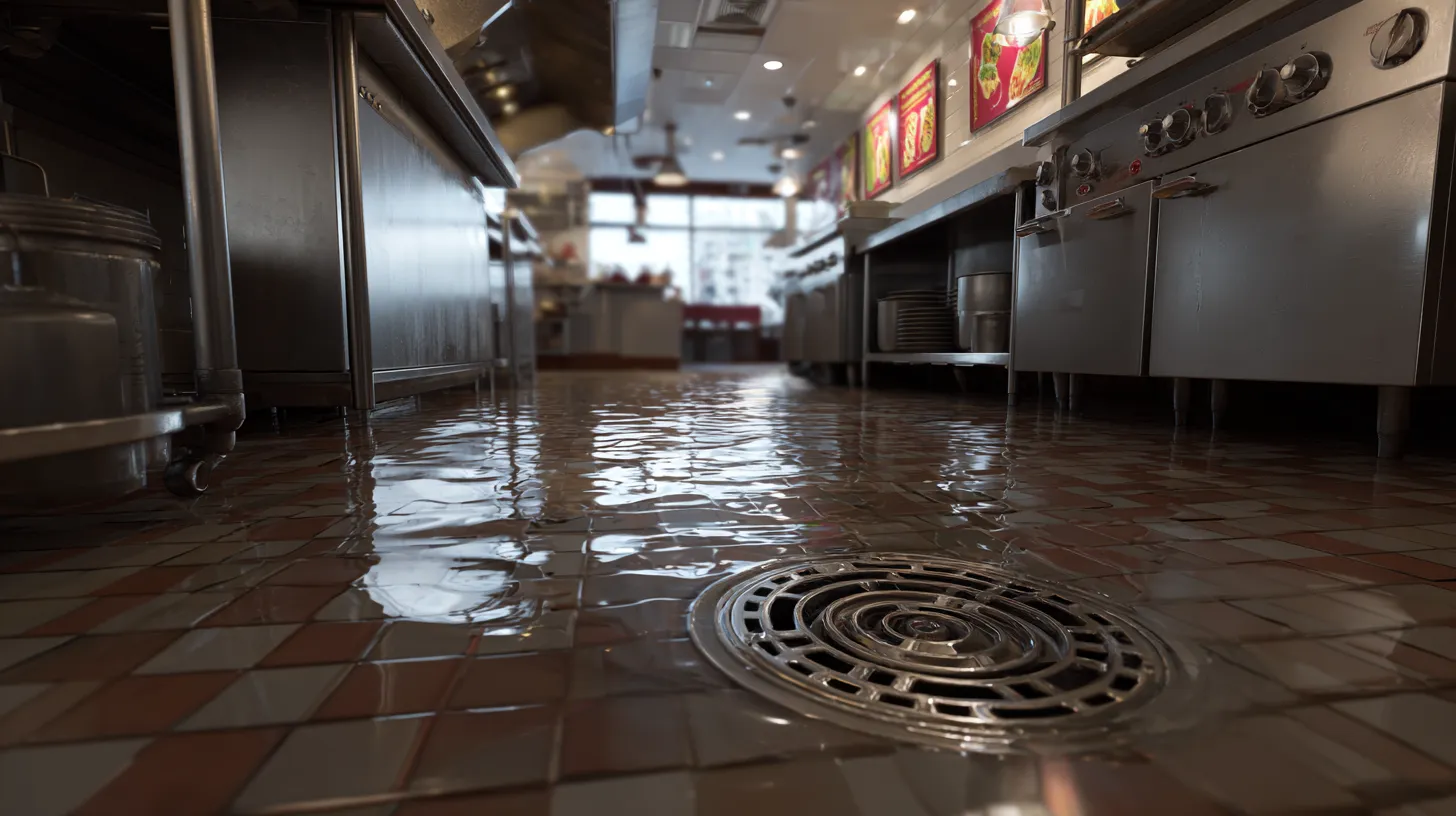
Section 1003.3.1 of the 2021 Michigan Plumbing Code requires a grease interceptor or automatic grease removal device to receive drainage from fixtures that produce grease-laden waste in food preparation areas, including restaurants, hotel and school kitchens, bars and clubs. The listed fixtures include pot sinks, prerinse sinks, soup kettles, wok stations and dishwashers without prerinse sinks. Section 1003.3.4 exempts individual dwelling units and private living quarters, so a Grand Rapids home kitchen drains straight to its branch line with no interceptor between the sink and the sewer. That difference shapes commercial kitchen grease line jetting: a restaurant's interceptor catches most grease, but a full or bypassed interceptor sends it into the building drain, where it hardens and backs up floor drains in the prep area.
Grand Rapids Warns That Grease Poured Down Drains Causes Sewer Backups and Raises Sewer Rates
The City of Grand Rapids states that cooking grease poured down a drain collects in pipes and causes sewer backups, basement flooding or sewage spills, and that the costly cleanup work raises the sewer use rate on residents' bills. The city's guidance sends grease to the trash in three steps: let it cool, pour it into a sturdy sealed container with absorbent material and place the full container in the garbage. Greasy pots and pans get wiped with paper towels, and plates get scraped into the trash before washing. Every household that follows those steps keeps grease out of its own branch line and out of the public sewer that the Grand Rapids Water Resource Recovery Facility treats at 40 million gallons a day.
Grand Rapids Tap Water Measures 142 Milligrams per Liter of Hardness, Enough to Form Soap Scum in Tub and Shower Drains
The City of Grand Rapids' 2025 Average Water Analysis measured total hardness at 142 mg/L at the plant tap and 143 mg/L in raw Lake Michigan water. The USGS classes 121–180 mg/L as hard, so Lake Michigan water reaching Grand Rapids homes sits in the hard band. The USGS explains that soap reacts with calcium in hard water to form soap scum, the sticky residue that binds hair into the mats found in 1½-inch tub and shower traps. Hard water therefore turns a few strands of hair into a slow drain, and a slow drain into a standing-water shower, faster than soft water does. The same scale that settles in Grand Rapids water heaters also roughens the inside of older galvanized drain lines.
Michigan's Plumbing Code Sets Laundry Standpipes Between 18 and 42 Inches Above the Trap
Section 802.4.3 of the 2021 Michigan Plumbing Code requires a laundry standpipe to extend at least 18 inches and no more than 42 inches above its trap weir, to be individually trapped and to give access for rodding. Table 709.1 sets the clothes washer standpipe trap at 2 inches. A washer's pump discharges water faster than a gravity drain carries it, so the standpipe height buys holding time while the 2-inch trap and branch line catch up. Lint, detergent residue and small items narrow that line over months, and once flow drops below the pump rate, the standpipe overflows onto the laundry room or basement floor in the middle of a cycle.
Frequently Asked Questions
Why Does A Floor Drain Smell Like Sewage When Nothing Backs Up?
A dry trap causes the smell. The trap's water seal blocks sewer gas, and a floor drain that rarely receives water loses that seal to evaporation. The 2021 Michigan Plumbing Code requires a primer valve or barrier device on traps subject to evaporation; pouring water into the drain refills the seal.
What Is The Difference Between Snaking And Hydro Jetting A Drain?
Snaking pushes a rotating steel cable through the clog and opens a path. Hydro jetting sprays high-pressure water from a nozzle and scours grease and buildup from the full pipe wall. Jetting suits sound pipe; corroded or thin-walled pipe gets the cable instead.
Why Does A Washing Machine Overflow The Laundry Standpipe?
The washer pumps water faster than a partly blocked standpipe drains it. Lint, detergent residue and small items narrow the 2-inch trap and branch line. The 2021 Michigan Plumbing Code sets the standpipe 18–42 inches above its trap, and a standpipe near the short end overflows sooner.
How Is Cooking Grease Disposed Of In Grand Rapids?
Cooking grease goes in the trash, not the drain. The City of Grand Rapids directs residents to cool grease, pour it into a sturdy sealed container with absorbent material and place the container in the garbage. Greasy pans get wiped with paper towels first.
Are Chemical Drain Cleaners Safe For Household Pipes?
Chemical drain cleaners carry real hazards. MedlinePlus lists sodium hydroxide as an ingredient in some drain cleaners and directs anyone splashed to flush skin or eyes with at least 2 quarts of water for at least 15 minutes. A dose that fails leaves caustic water standing in the fixture for whoever clears it next.
Common Misconceptions About Emergency Drain Cleaning
Misconception: Boiling Water Clears Any Kitchen Grease Clog
Hot water melts grease near the drain opening and carries it farther down the line. The grease cools and hardens again in the branch drain, especially where the pipe runs through a cold basement or an exterior wall. The clog moves deeper instead of leaving, and the next blockage forms where an auger needs more cable to reach it.
Misconception: A Garbage Disposal Makes Grease Safe To Pour Down The Sink
A disposal grinds food solids; it does not change grease. The grease coats the trap and branch line exactly as it does without a disposal, and the ground food sticks to that coating. The City of Grand Rapids sends cooking oil, grease and fat to the trash in a sealed container.
Misconception: A Plunger Clears A Clog Anywhere In The House
A plunger moves water against a blockage within a few feet of the fixture, usually inside the trap. A clog deep in a branch line or in the building drain sits beyond its reach. Several fixtures backing up at once point to the main line, which takes an auger or jetter through a cleanout.
Misconception: A Cleared Drain Needs No Follow-Up
An auger opens a path through grease or hair but leaves much of the coating on the pipe wall, and that coating catches new debris. A second clog within weeks points to buildup, corrosion or poor slope in the branch line. A camera inspection, $200–$400 in the 2026 Michigan cost guide, shows which one.
Misconception: A Smelly Floor Drain Always Means A Sewer Problem
Most floor drain odor comes from a dry trap, not a broken sewer. Water evaporates from a floor drain that rarely receives flow until sewer gas passes the empty trap. The 2021 Michigan Plumbing Code protects those traps with a primer valve or a barrier-type device; a floor drain that smells and also rises during laundry points to a blockage instead.
Ongoing Debates in Emergency Drain Cleaning
Hydro jetting and cable augers divide drain plumbers on kitchen branch lines. Jetting scours grease from the whole pipe wall and leaves less coating for the next clog to grip. A cable auger opens the line at lower cost and puts less stress on thin or corroded cast iron and galvanized pipe. Pipe condition and the camera view settle which tool fits.
Enzyme treatments and mechanical cleaning divide maintenance advice. Enzyme and bacterial products digest organic buildup between cleanings, and the 2026 Michigan cost guide lists an enzyme cleaner among the $5–$30 first steps. Mechanical cleaning removes a formed blockage that enzymes act on too slowly to clear. Clog age and the material inside it decide which approach works.
Do-it-yourself first and calling at once divide owners facing a single clogged fixture. A plunger or hand auger costs $5–$30 against $150–$350 for a plumber in the same guide, and it clears many trap clogs. Calling at once avoids a stuck cable, splashed chemicals and an overflow that spreads while the attempts continue. The number of affected fixtures and the hour of the day shape the choice.
Camera inspection timing divides plumbers on recurring clogs. A camera on the first repeat clog finds corrosion, a sag or a broken fitting before the line fails again. A camera only after the second or third clog keeps the first call cheaper and spends inspection money only when cleaning alone stops working.
Grease interceptor maintenance schedules divide restaurant operators. Fixed-interval pumping keeps the interceptor predictable and ready for inspection. Pumping by measured grease and solids depth spends money only when the interceptor needs it, but it depends on someone measuring. Menu, meal volume and interceptor size drive the decision.
Components of an Emergency Drain Cleaning Call
Every emergency drain cleaning call works through the same set of parts. The trap seal is a component of the fixture trap; its 2–4 inches of water keep sewer gas out, and its loss explains odor without a clog. The fixture trap is a component of the fixture drain, and as the smallest and most curved point in the line, it catches hair, grease and debris first. The cleanout is a component of the drain stack; it gives the plumber a straight entry for an auger or jetter hose without pulling a toilet or sink. The cutting head is a component of the power auger; spade, spring and grease cutters match the clog material inside the branch line. The standpipe is a component of the clothes washer drain; its 18-to-42-inch height and 2-inch trap set how much water the line holds before it overflows. A drain plumber identifies which part failed before choosing between plunging, augering and drain line jetting.
Summary
Emergency drain cleaning in Grand Rapids covers five areas: the fixture drains, the causes of drain clogs, the clearing methods, the drain system components and the codes and local authorities that govern them. The 2021 Michigan Plumbing Code requires every fixture trap to hold a water seal of 2 to 4 inches, requires grease interceptors in commercial kitchens and sets laundry standpipes between 18 and 42 inches. The City of Grand Rapids sends grease to the trash. Emergency drain cleaning in the Grand Rapids area starts with opening the blocked line and ends with removing the buildup that caused it.