Water Heater Repair in Grand Rapids: The Complete Guide
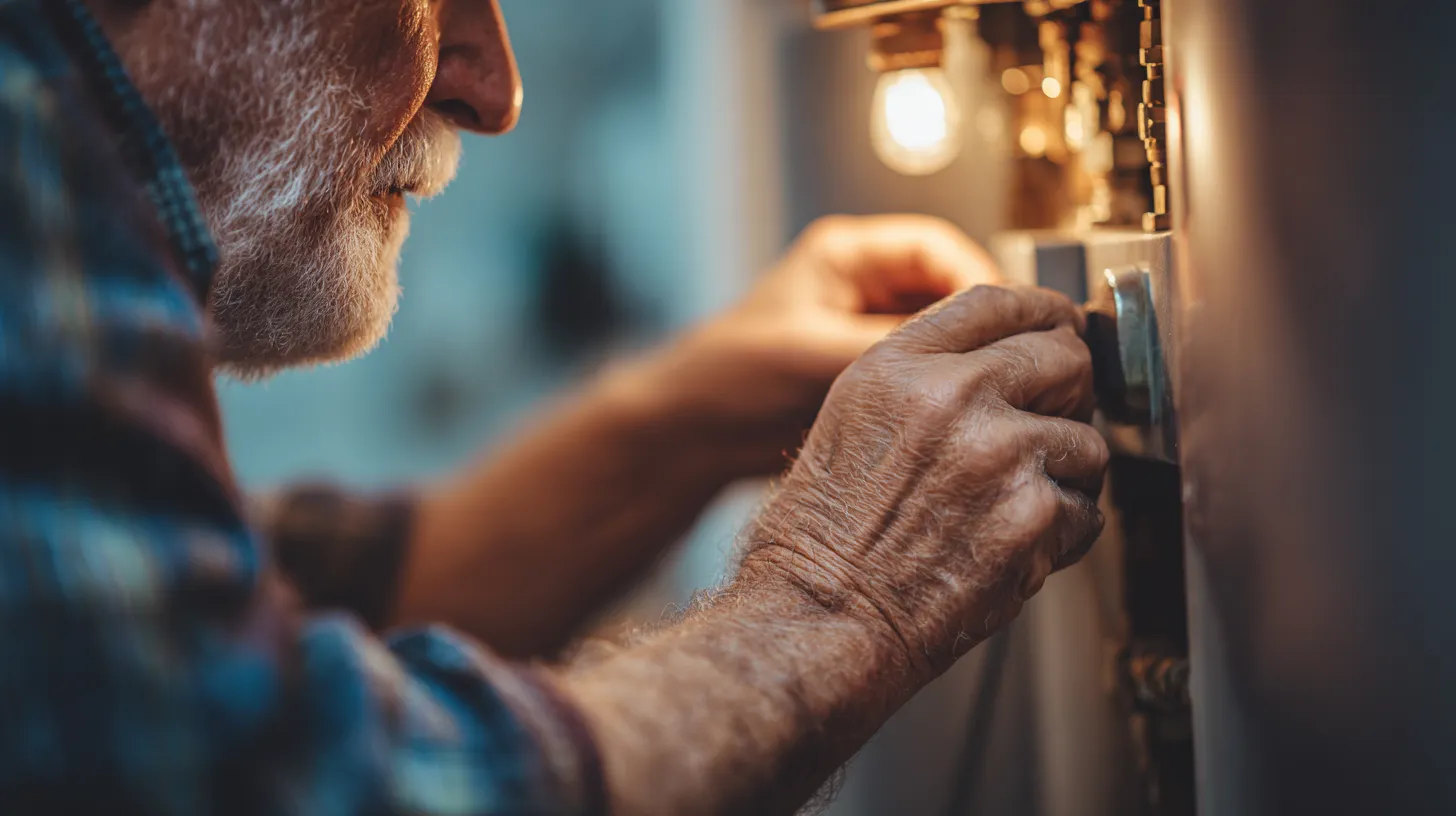
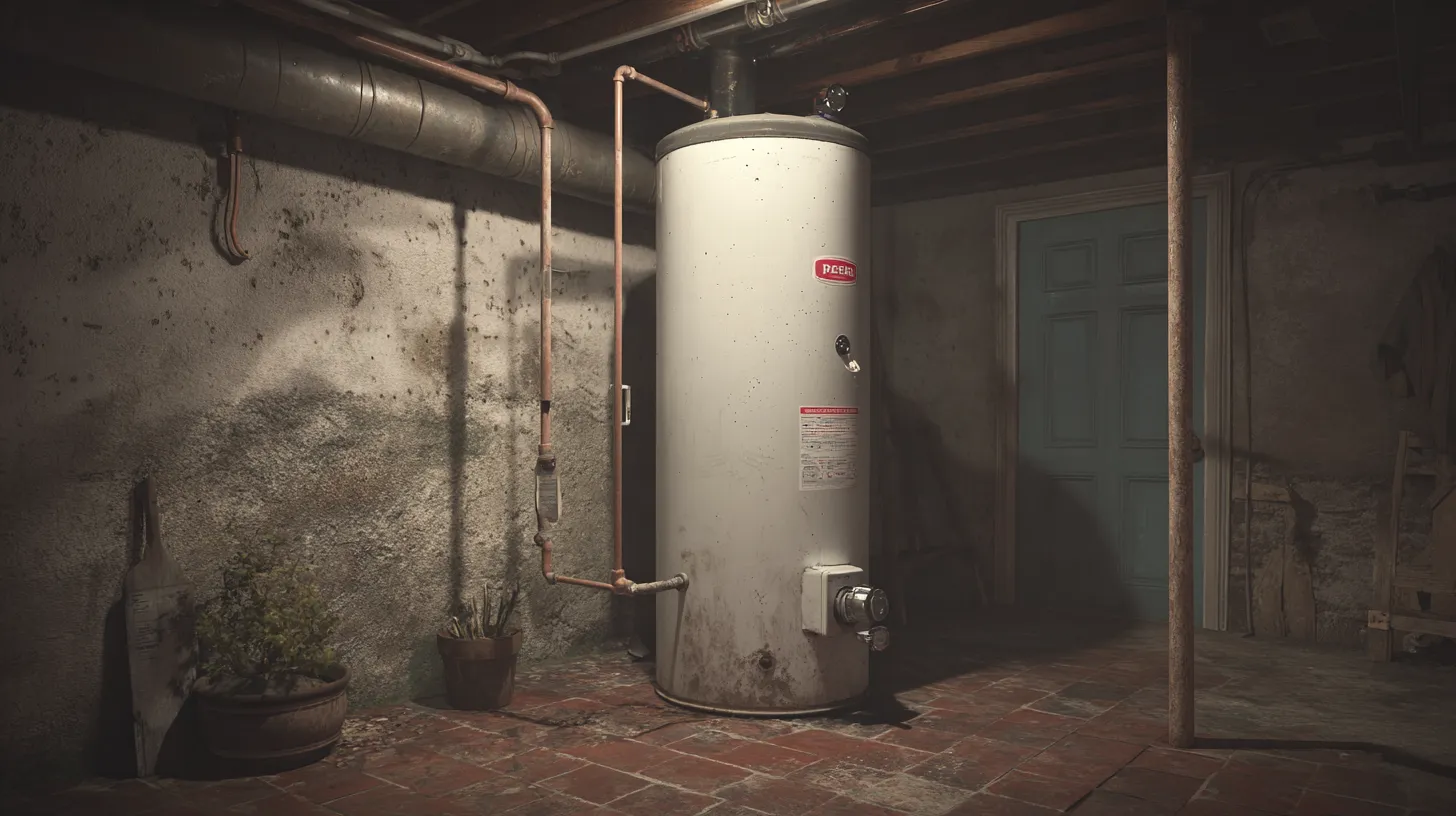
Water heater repair is the diagnosis and restoration of a residential or commercial appliance that heats and stores, or heats on demand, a building's hot water supply. In Grand Rapids, Michigan, the work centers on five entities: the water heater itself, its storage tank, the temperature and pressure relief valve, the anode rod and the hard water sediment that settles inside the tank. Water heating accounts for about 18% of a home's energy use, the second-largest energy expense in a household (U.S. Department of Energy). Water heater repair in the Grand Rapids area follows three local forces: Lake Michigan water that tests hard, suburbs supplied by different utilities and wells, and permit rules that differ by municipality.
Types of Water Heaters in Grand Rapids Homes and Businesses
Water heater type sets the failure pattern, the repair method and the replacement cost. Five types cover nearly every Grand Rapids installation:
- Gas storage tank water heaters heat a 40- or 50-gallon tank with a burner, a gas control valve and a pilot or electronic ignition.
- Electric storage tank water heaters heat the tank with upper and lower heating elements, each controlled by its own thermostat.
- Gas tankless water heaters fire a burner only while hot water flows, heating water through a heat exchanger with no storage tank.
- Heat pump water heaters move heat from the surrounding air into the tank, and in a basement they also dehumidify the space in summer.
- Commercial storage water heaters serve restaurants, apartment buildings and offices with larger tanks and higher recovery rates.
The U.S. Department of Energy (DOE) Energy Saver Guide puts storage water heater life at 10–15 years and tankless life at more than 20 years. For homes using 41 gallons of hot water or less per day, gas tankless units run 24%–34% more efficiently than conventional storage tanks. Heat pump models run two to three times as efficiently as conventional electric water heaters.
Installed replacement costs differ by type. A 2026 Michigan plumbing cost guide (askdoss.com) lists these market ranges:
| Water heater type | Typical installed cost |
|---|---|
| 40-gallon gas tank | $1,000–$1,800 |
| 50-gallon gas tank | $1,200–$2,200 |
| 50-gallon electric tank | $1,000–$1,800 |
| Heat pump water heater | $2,000–$3,500 |
| Gas tankless | $2,500–$4,500 |
The same guide puts the average Grand Rapids plumbing repair at $300–$450.
Grand Rapids Water Hardness and Water Heater Life
Water hardness drives the most common long-term water heater problem in Grand Rapids: scale and sediment. Calcium and magnesium dissolved in the water drop out as calcium carbonate when the water heats, coating electric elements and settling as a layer at the tank bottom. The U.S. Geological Survey (USGS) links that scale to shorter equipment life, higher heating costs and lower electric heater efficiency.
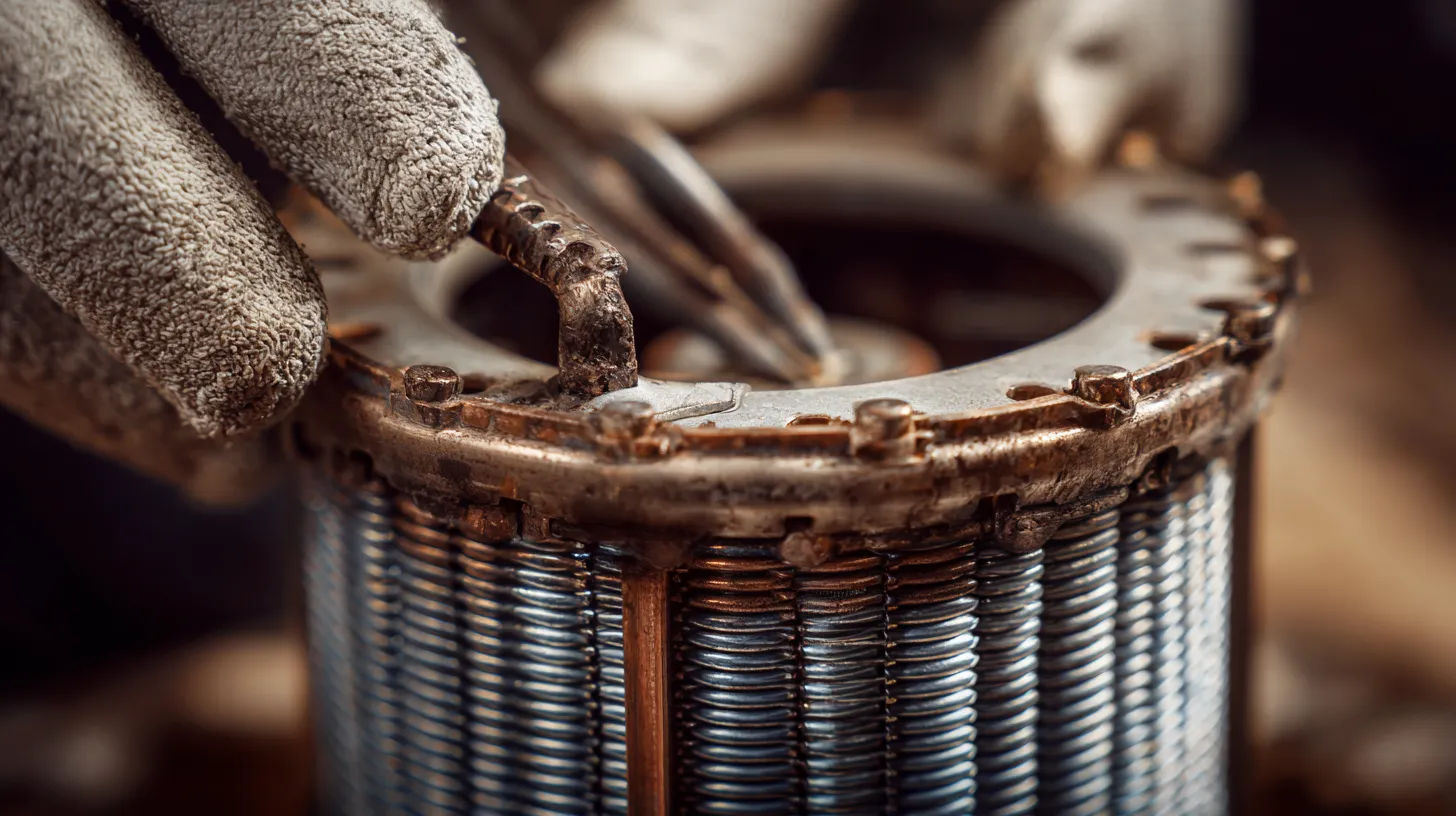
The City of Grand Rapids' 2025 Average Water Analysis from its Lake Michigan Filtration Plant measured total hardness at 142 mg/L (8.3 grains per gallon) at the plant tap, against 143 mg/L (8.4 grains per gallon) in raw Lake Michigan water, with calcium at about 38 mg/L and magnesium at about 12 mg/L. The USGS classes 121–180 mg/L as hard, so Grand Rapids tap water sits in the hard band despite its Lake Michigan source.
Hardness changes across the metro, because suburbs draw on different suppliers:
| Area | Water supply | Hardness | USGS class |
|---|---|---|---|
| Grand Rapids | Grand Rapids Water System, Lake Michigan | 142 mg/L (8.3 gpg) | Hard |
| Grandville | City of Wyoming, Lake Michigan | 97 ppm | Moderately hard |
| Jenison (Georgetown Township) | City of Wyoming, Lake Michigan | 89–108 ppm, average ~99 | Moderately hard |
| Hudsonville | City of Wyoming, Lake Michigan | 91.1–118.8 ppm, average 98.78 | Moderately hard |
| Lowell | City wells (4) | 130–150 ppm (7.5–8.7 gpg) | Hard |
| Caledonia Township (south well district) | Township wells; the north district switched to Grand Rapids water March 10, 2026 | 22–30 grains per gallon | Very hard |
| Plainfield Township, Comstock Park | Plainfield wells, lime-softened | About half the raw well hardness, near Lake Michigan levels | — |
| Sparta | Village wells with iron removal and softening | No published figure | — |
Sources: City of Grand Rapids 2025 Average Water Analysis; City of Grandville, Georgetown Township and City of Hudsonville 2025 water reports; City of Lowell; Caledonia Township Water Changeover Q&A (October 2025); Plainfield Township; Village of Sparta; USGS hardness classes.
Hardness explains why flushing and anode inspection intervals matter more in Grand Rapids than in soft-water regions. A tank on Grand Rapids water collects more scale per gallon heated than a tank on Wyoming-supplied water in Grandville or Hudsonville, and a tank on unsoftened Caledonia well water collects more than either.
Water Heater Failure Symptoms
Water heater failure symptoms point to specific parts, and reading the symptom correctly separates a part repair from a tank replacement. Five symptoms account for most calls:
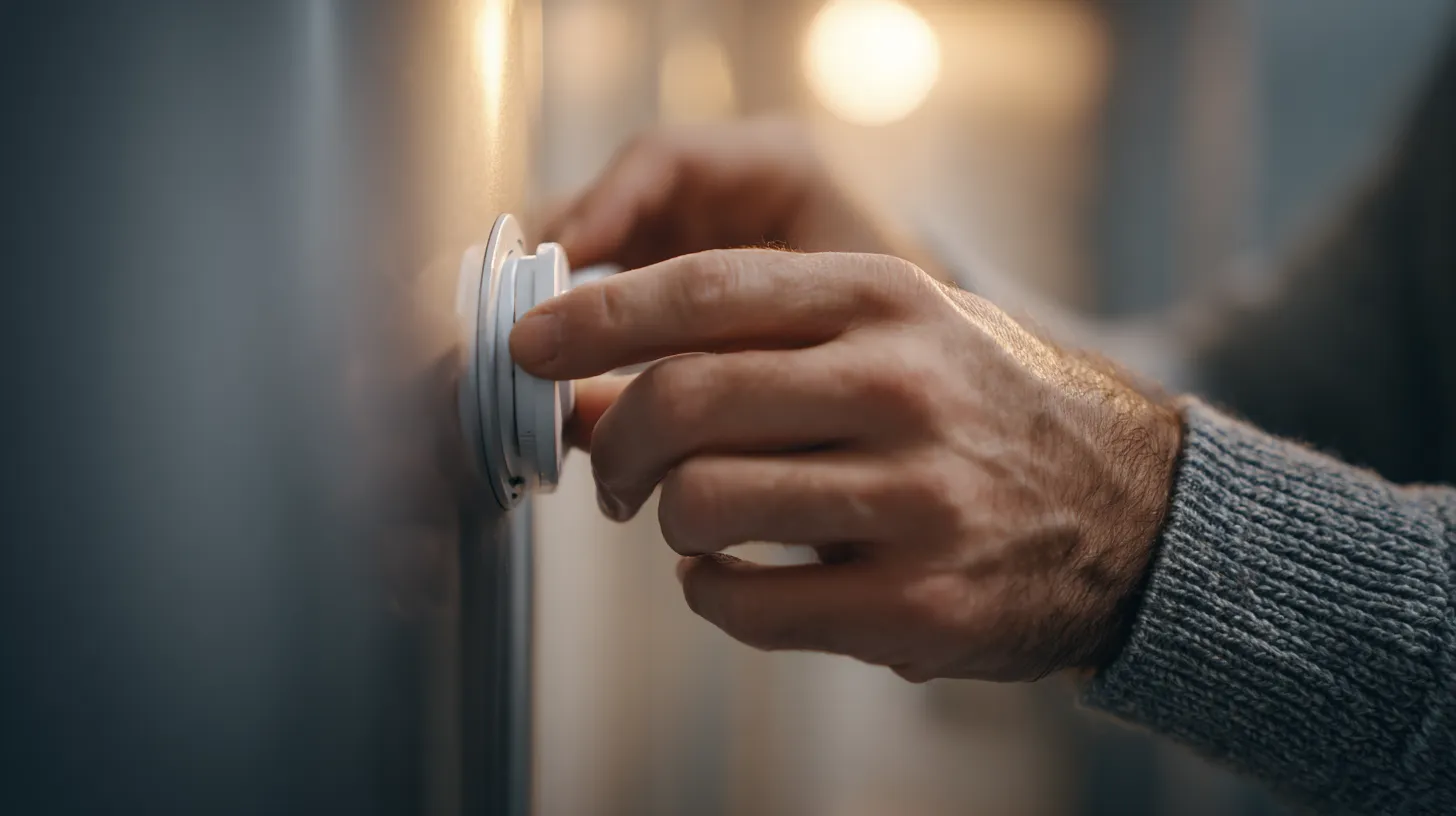
- No hot water points to a failed heating element or thermostat on an electric unit, or a failed thermocouple, pilot, igniter or gas control valve on a gas unit.
- Water at the tank base comes from one of three places: the drain valve, discharge running down from the relief valve pipe, or the tank shell itself. A leak from the bottom of the tank usually means internal corrosion and a replacement; a leak at a fitting or valve often means a repair.
- Rusty or discolored hot water signals a depleted anode rod or corrosion inside the tank, especially when cold water at the same tap runs clear.
- Popping or rumbling comes from water trapped under a sediment layer boiling through it, a sign of overdue flushing in hard water.
- Relief valve discharge signals a worn valve or a tank running too hot or at too much pressure.
Shutting off the gas or power stops the heating, not the water. Closing the cold-water inlet valve stops the tank from refilling while a leak waits for repair.
A gas odor near a gas water heater changes the order of every step. Natural gas utilities instruct anyone who smells natural gas to leave the area, call 911 from a safe location and then call the gas utility's 24-hour leak line. Occupants avoid light switches, phones and anything else that sparks until the utility clears the area.
Water Heater Components and How They Fail
Water heater components wear at different rates, and each part has its own inspection interval. Five components carry most repairs:
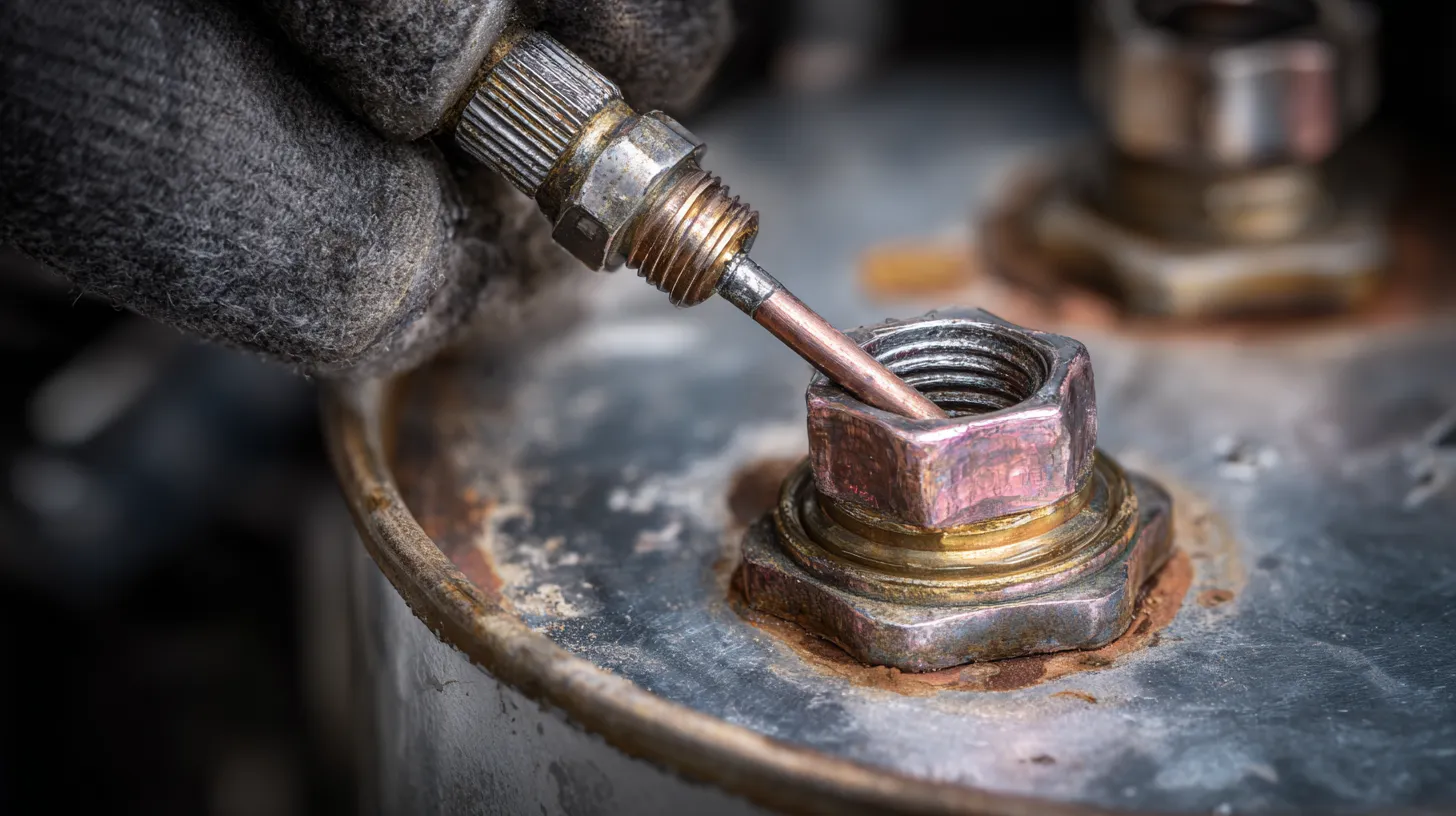
- Thermostat and heating element: Electric units use two of each. A burned-out element or failed thermostat produces lukewarm water or none, and scale on the element shortens its life in hard water.
- Gas control valve and thermocouple: The thermocouple senses the pilot flame and shuts off gas when the flame goes out. A failed thermocouple leaves the pilot unable to stay lit.
- Anode rod: The magnesium or aluminum rod corrodes in place of the tank lining. A. O. Smith, the water heater manufacturer, recommends inspecting the rod once a year and replacing it once several inches of core wire show.
- Dip tube: The tube carries incoming cold water to the tank bottom. A broken dip tube mixes cold water into the hot outlet, so hot water runs out fast.
- Drain valve: The valve at the base drains the tank for flushing. An old plastic or corroded valve drips or fails to reseal after a flush.
A. O. Smith sets temperature and pressure relief valve checks at once a year by the owner and every 5 years by a professional. A component repair keeps a sound tank in service; a corroded tank shell ends it.
Permits, Codes and Standards for Water Heater Work
Permits govern who replaces a water heater and when the new one goes into use. The Grand Rapids Development Center lists water heaters on its plumbing permit application, and installed work stays uncovered and unused until an inspector approves it. Grand Rapids lets a homeowner pull a permit only for work in a house the owner occupies; all other work goes through a licensed installer.
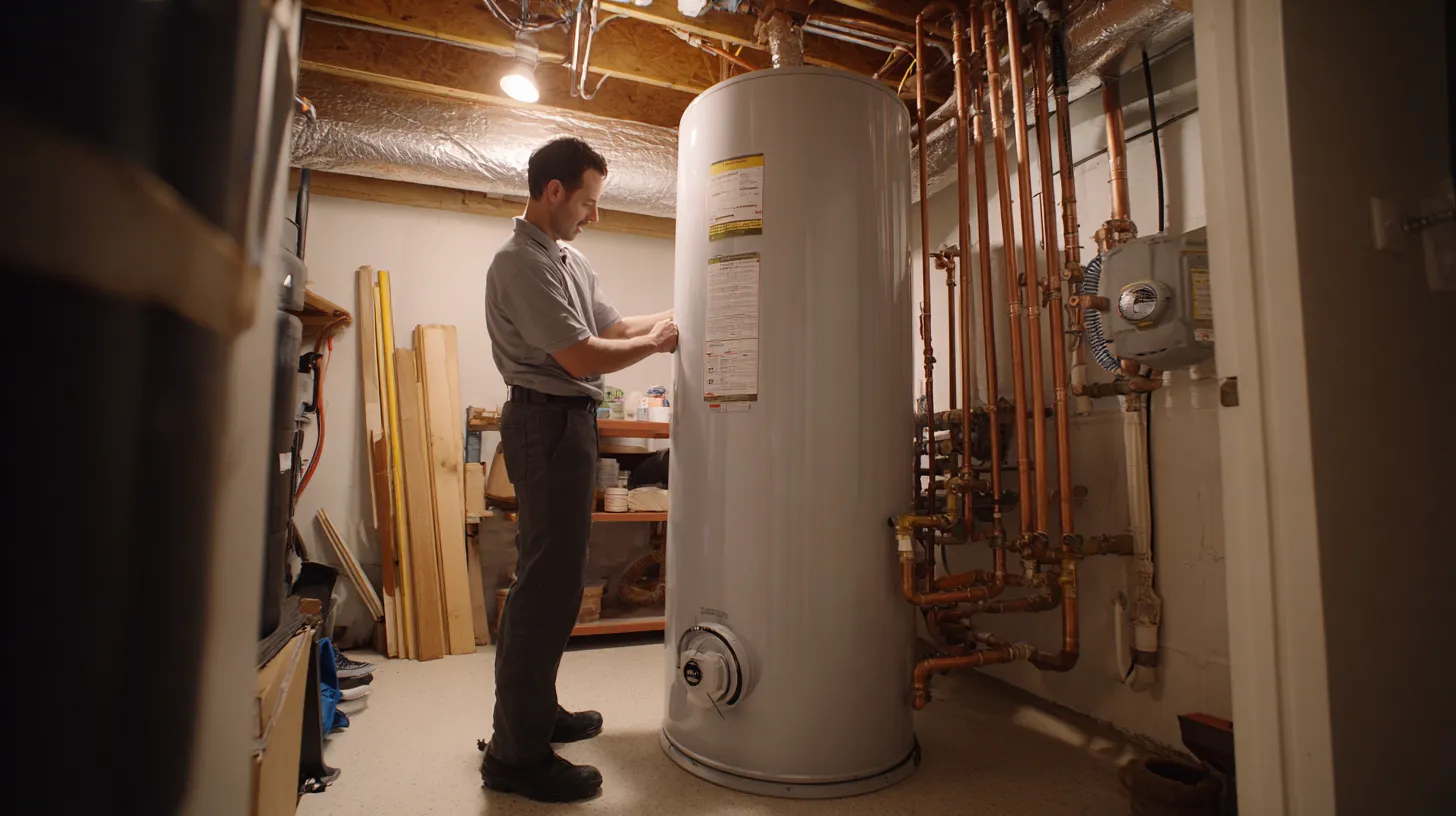
Michigan's Bureau of Construction Codes jurisdiction list shows that Kent and Ottawa counties run no county plumbing program, so every municipality in the Grand Rapids area handles its own permits or contracts them out:
| Municipality | Plumbing permit office |
|---|---|
| Grand Rapids | Grand Rapids Development Center |
| Wyoming | Wyoming Building Inspections (online via BS&A; Michigan-licensed contractors or owner-occupants) |
| Kentwood | Kentwood Inspections Department |
| East Grand Rapids, Ada Township, Plainfield Township | Cascade Township Building Inspection Services |
| Cascade Township | Cascade Charter Township Building Inspection Department |
| Grand Rapids Township | Cascade Inspection Services |
| Walker | Walker Building Department with Professional Code Inspections (PCI) |
| Grandville, Hudsonville, Rockford, Lowell, Sparta, Cedar Springs | Professional Code Inspections (PCI) |
| Jenison (Georgetown Township) | PCI, after township zoning review |
| Comstock Park (Alpine Township) | Alpine Township Building Department |
Sources: City of Grand Rapids; City of Wyoming; City of Kentwood; City of East Grand Rapids; Cascade, Ada, Plainfield, Grand Rapids, Georgetown and Alpine townships; Cities of Walker, Grandville, Hudsonville, Rockford, Lowell and Cedar Springs; Village of Sparta; LARA Statewide Jurisdiction List (October 2026).
Federal standards shape what replaces a failed unit. The DOE finalized new water heater efficiency standards on April 30, 2024, with compliance starting in 2029. Electric storage water heaters in the most common sizes must reach the efficiency of an entry-level heat pump model, which DOE expects to push heat pump technology from 3% to more than 50% of new electric storage units.
Grand Rapids Tap Water Measures 142 Milligrams per Liter of Hardness, About 8.3 Grains per Gallon
Grand Rapids tap water carries 142 mg/L of hardness, 8.3 grains per gallon, according to the City of Grand Rapids' 2025 Average Water Analysis. That reading places Grand Rapids water in the USGS "hard" class of 121–180 mg/L. For a water heater, the number translates into a steady deposit of calcium carbonate every time the tank heats a fresh load of cold water. Electric heaters feel the effect first, because scale forms directly on the heating elements and insulates them from the water. Gas heaters collect the same minerals as a sediment bed over the burner, which slows heat transfer and produces the rumbling sound common in older tanks.
Grand Rapids Lists Water Heaters on Its Plumbing Permit Application
A water heater replacement inside Grand Rapids city limits carries a plumbing permit and an inspection, because the Development Center lists water heaters on its plumbing permit application. Only an owner working in a home the owner occupies pulls a homeowner permit; landlords and commercial owners use a licensed installer. Suburbs follow their own offices, and many contract permit work to Cascade Township or Professional Code Inspections.
Most Storage Water Heaters Last 10 to 15 Years, and Tankless Units Last More Than 20
The DOE Energy Saver Guide gives storage water heaters a service life of 10–15 years and tankless water heaters more than 20 years. Tank life ends when the anode rod is gone and corrosion reaches the steel shell, so anode inspection and flushing extend the range while neglect shortens it. Hard water accelerates both sediment and element wear, which puts Grand Rapids tanks on the side of the range where maintenance matters. Tank age therefore becomes the first data point in any repair-or-replace decision: a failed thermostat on a 4-year-old tank and the same part on a 14-year-old tank lead to different choices.
Caledonia Township Well Water Carries 22 to 30 Grains of Hardness, About Three Times Grand Rapids Water
Caledonia Charter Township well water measures 22–30 grains per gallon of hardness, against 8–10 grains for Grand Rapids water, according to the township's October 2025 Water Changeover Q&A. Applying the City of Grand Rapids' own ratio of 143 mg/L to 8.4 grains, that equals roughly 375–510 mg/L, well past the USGS "very hard" threshold of 180 mg/L. The township is switching its system from its own wells to Grand Rapids Lake Michigan water, north first and south after the Kraft trunkline, and it tells customers to adjust water softener settings after the switch. Water heaters on unsoftened Caledonia well water collect sediment far faster than tanks on city water, and the changeover lowers that load.
New Federal Efficiency Standards for Water Heaters Take Effect in 2029
The DOE's water heater standards, finalized April 30, 2024, apply to newly manufactured units from 2029. Electric storage water heaters in the most common sizes must match entry-level heat pump efficiency, while gas, oil and larger electric storage models face a moderate efficiency increase. Gas tankless heaters fall outside this rule. The standards leave installed heaters in place; they change what manufacturers ship. DOE estimates that a household replacing a common-size electric resistance tank with a compliant heat pump model saves about $1,800 in utility bills over the appliance's life.
Frequently Asked Questions
Why Does A Water Heater Leak From The Bottom?
A leak from the bottom of the tank usually comes from internal corrosion after the anode rod wears out, and it ends the tank's service life. Water at the base also comes from a dripping drain valve or from relief-valve discharge running down the side, and those repairs keep the tank in service.
How Long Does A Water Heater Last In Grand Rapids?
Storage water heaters last 10–15 years and tankless units more than 20, according to the DOE. Grand Rapids tap water tests hard at 142 mg/L, and hard water forms scale that shortens equipment life, so flushing and yearly anode checks decide where a tank lands in that range.
How Often Does A Water Heater Need Flushing In Hard Water?
A. O. Smith sets tank flushing at least once a year and more often in hard-water areas. The DOE Energy Saver Guide adds draining a quart of water every 3 months to clear sediment. Grand Rapids water, at 8.3 grains per gallon, falls in the USGS hard class.
Does Replacing A Water Heater In Grand Rapids Require A Permit?
A water heater replacement in Grand Rapids requires a plumbing permit. The Development Center lists water heaters on its application, and the work stays unused until inspected. Owners pull permits only for a home they occupy; all other work goes through a licensed installer. Suburbs issue permits through their own offices or contractors.
What Temperature Setting Does A Residential Water Heater Use?
The DOE recommends 120°F, a setting it calls safe for most of the population. A. O. Smith sets 120°F as the typical maximum and warns that higher settings scald while settings too low let bacteria grow. A lower setting also slows scale formation in hard water.
Common Misconceptions About Water Heater Repair in Grand Rapids
Misconception: Lake Michigan Water Is Too Soft To Leave Sediment In A Water Heater
The City of Grand Rapids measured its 2025 tap water at 142 mg/L of hardness, 8.3 grains per gallon. The USGS classes 121–180 mg/L as hard. Heating that water drops calcium carbonate out as scale, which settles at the tank bottom and coats electric heating elements year after year.
Misconception: A Dripping Relief Valve Just Needs A Plug Or A Cap
The temperature and pressure relief valve opens to release water when tank temperature or pressure climbs too high. A dripping valve signals either a worn valve or an overheating or overpressure condition. Capping the discharge pipe removes the tank's last safety release instead of fixing the cause.
Misconception: A Water Softener Ends Anode Rod Wear
A. O. Smith lists an installed water softener among the factors that set anode rod life, alongside water chemistry and hot water use. The rod still corrodes in place of the tank lining. A yearly inspection, with replacement once several inches of core wire show, keeps the protection in place.
Misconception: Tankless Water Heaters Need No Maintenance
Tankless units carry no storage tank, but hard water still deposits scale inside the heat exchanger. Scale restricts flow and triggers shutdowns and error codes. Descaling on a schedule matched to local hardness keeps a tankless unit running toward the DOE's 20-plus-year service life.
Misconception: A Rumbling Water Heater Is About To Burst
Rumbling and popping come from water trapped under a sediment layer at the tank bottom boiling through it. The noise signals lost efficiency and an overdue flush, not an imminent rupture. The temperature and pressure relief valve, not the noise, governs overpressure safety.
Ongoing Debates in Water Heater Repair
Repairing or replacing an aging tank divides owners when a part fails late in the tank's life. A thermostat, element or thermocouple repair restores hot water for a fraction of a new installation, which a 2026 Michigan cost guide puts at $1,000–$2,500 for a tank. Replacement avoids a second failure inside the DOE's 10–15-year life window, when the tank shell itself starts to corrode. Tank age, anode condition and the failed part settle the choice.
Tankless and storage water heaters divide households weighing a replacement. Tankless units last more than 20 years and run 24%–34% more efficiently in homes using 41 gallons a day or less, according to the DOE. Storage tanks cost less to install, $1,000–$2,500 against $2,500–$4,500 for tankless in the same 2026 cost guide, and deliver a full tank of hot water at once for simultaneous showers and laundry.
Heat pump water heaters divide Michigan homeowners. Supporters point to DOE figures: two to three times the efficiency of conventional electric tanks, and summer dehumidification when the unit sits in a basement. Skeptics point to a higher installed cost, $2,000–$3,500 in the 2026 cost guide, and to the installation challenges the DOE itself flags. The 2029 standards push new electric storage tanks toward heat pump technology regardless.
Flushing frequency divides published guidance. The DOE Energy Saver Guide advises draining a quart of water every 3 months to remove sediment. A. O. Smith calls for a full flush at least once a year, more often in hard water, while some Grand Rapids plumbers publish a twice-yearly schedule. Water hardness and tank age decide which schedule fits a given home.
Water softeners divide owners looking to protect a water heater. A softener removes the calcium and magnesium that form scale, which protects elements and slows sediment buildup in hard Grand Rapids water. A. O. Smith still lists softened water among the factors that set anode rod life, so a softened home keeps its yearly anode inspection. Caledonia's switch from 22–30-grain wells to 8–10-grain Grand Rapids water shows how much the softener setting depends on the supply.
Components of a Grand Rapids Water Heater
Every water heater repair works through the same set of parts. The anode rod is a component of the storage tank's corrosion protection; it corrodes in place of the steel shell, and its condition decides whether the tank survives another decade or starts leaking at the base. The dip tube is a component of the tank's cold-water inlet; it carries incoming water to the bottom so heated water leaves from the upper outlet, and a cracked tube mixes cold water into the hot supply. The heating element is a component of an electric water heater; paired with its thermostat, it heats the water directly and collects scale first in hard Grand Rapids water. The thermocouple is a component of a gas water heater's pilot safety system; it holds the gas valve open only while the pilot burns. The temperature and pressure relief valve is a component of every storage water heater; it vents water when temperature or pressure climbs too high, and its discharge pipe routes that water safely toward the floor. A plumber diagnoses which part failed before choosing between a part repair and a tank replacement.
Summary
Water heater repair in Grand Rapids covers five areas: heater types, local water hardness, failure symptoms, components and the permits and standards that govern replacement. Grand Rapids tap water tests hard at 142 mg/L, Wyoming-supplied suburbs test moderately hard and Caledonia wells test very hard, so sediment and anode wear set the pace of most tank failures. Storage tanks last 10–15 years and tankless units more than 20. Water heater repair in the Grand Rapids area starts with the failed part and ends with a permitted, inspected installation when the tank itself has failed.